Health and Safety Policy for Cleaner Queens Park
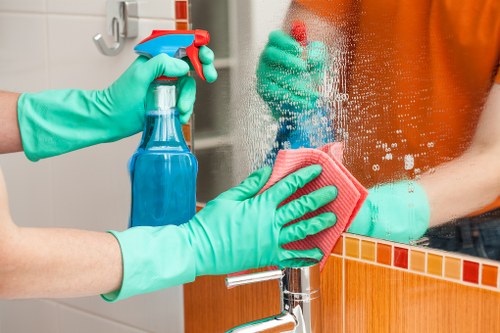 Cleaner Queens Park is committed to maintaining a safe, healthy, and responsible working environment for all staff, clients, and visitors. This policy sets out the standards and expectations that support safe cleaning practices, reduce the risk of injury or illness, and encourage consistent, careful working methods. Health and safety are not separate from quality; they are central to reliable cleaning services and professional conduct.
The purpose of this policy is to ensure that every cleaning task is planned and carried out with appropriate care. All team members are expected to follow safe systems of work, use equipment correctly, and report hazards promptly. By doing so, Cleaner Queens Park helps protect people, property, and the environment while delivering effective results.
We recognise that cleaning work can involve a range of risks, including slips, trips, falls, manual handling injuries, exposure to chemicals, and contact with contaminated surfaces. A strong health and safety approach reduces these risks through clear procedures, training, supervision, and ongoing review. Safe practice is a shared responsibility and applies to every task, whether routine or specialised.
All employees and contractors must take reasonable care of their own safety and the safety of others who may be affected by their actions. This includes following instructions, using personal protective equipment where required, and avoiding unsafe shortcuts. The Cleaner Queens Park safety policy is based on prevention, awareness, and prompt action when conditions change.
Before starting any job, operatives should assess the workspace for hazards such as wet floors, clutter, poor lighting, damaged fittings, unstable surfaces, or restricted access. If a risk cannot be controlled immediately, work should be delayed or adapted until it is safe to proceed. The aim is to ensure that each cleaning activity begins with a clear understanding of the environment.
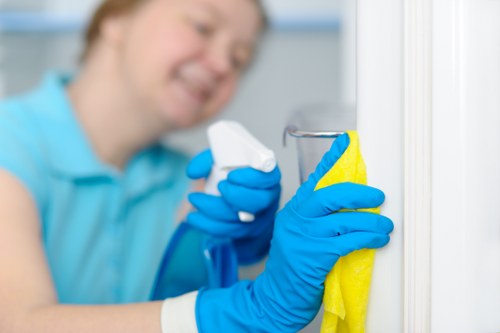 Cleaning products and equipment must be stored, handled, and used correctly. Chemicals should be kept in their original containers or clearly labelled containers, and never mixed unless explicitly approved. Staff must follow dilution instructions carefully and avoid unnecessary exposure by using gloves, ventilation, and suitable tools. This disciplined approach helps reduce irritation, burns, and accidental misuse.
Training is essential to maintaining safe standards. All staff should receive instruction on risk awareness, correct lifting techniques, equipment use, chemical handling, hygiene procedures, and emergency response. Refresher training should be provided when processes change or when gaps in understanding are identified. Well-trained cleaners are better equipped to work safely and confidently.
Personal protective equipment, or PPE, must be used when required by the task or the risk assessment. This may include gloves, aprons, masks, or eye protection. PPE should be kept clean, inspected regularly, and replaced when damaged or worn. It is important to remember that PPE supports safety but does not replace careful working methods.
 Manual handling is another important area of concern. Staff should avoid lifting heavy items alone where possible and should use carts, trolleys, or other aids to reduce strain. Loads should be assessed before moving, and awkward movements should be minimised. If an item is too heavy, unstable, or difficult to carry safely, assistance should be requested.
Slips, trips, and falls can occur in any cleaning environment, so good housekeeping is vital. Cables should be managed properly, warning signs used when floors are wet, and walkways kept free from obstacles. Areas under active cleaning should be clearly identified and controlled to prevent accidental entry. Simple preventative measures can significantly reduce incidents and keep everyone safer.
Hygiene practices must be followed at all times, especially when dealing with waste, washrooms, or high-touch surfaces. Gloves should be changed when contaminated, hands should be washed regularly, and tools should be cleaned between tasks where appropriate. These measures support both worker safety and the prevention of cross-contamination.
At Cleaner Queens Park, equipment safety is treated as a priority. Machines should be checked before use, operated according to manufacturer instructions, and taken out of service if faulty. Electrical items must never be used with damaged cables, loose parts, or signs of overheating. Any defect should be reported immediately so it can be addressed before further use.
Emergency preparedness forms a key part of this policy. Staff should know how to respond to spills, accidents, injuries, fire alarms, and other urgent situations relevant to their work area. First aid supplies and incident reporting procedures should be accessible and understood by all personnel. Quick, calm action can limit harm and support a safe return to normal operations.
Risk assessments should be carried out for standard activities and reviewed whenever circumstances change. This includes considering the condition of the site, the nature of the task, the equipment in use, and the people involved. Where necessary, controls should be adapted to suit the work, ensuring that safety measures remain practical and effective.
 Every worker has a duty to report hazards, near misses, incidents, and unsafe behaviour as soon as possible. Reporting helps the business identify patterns, correct problems early, and prevent repeat occurrences. A culture of openness supports learning and reinforces the importance of accountability within Cleaner Queens Park.
Supervisors are responsible for monitoring compliance, giving guidance, and ensuring that safety expectations are understood. They should encourage safe behaviour, check that equipment is suitable, and confirm that procedures are being followed. Where required, additional support or corrective action should be provided to maintain a strong safety standard.
Visitors and clients should also be protected through clear communication and sensible control measures. Cleaning activities should be scheduled and organised in a way that reduces disruption and avoids unnecessary exposure to hazards. When work is carried out in occupied premises, staff must remain mindful of the presence of others and act with extra caution.
Review and improvement are central to this policy. Health and safety arrangements should be examined regularly to ensure they remain appropriate, effective, and aligned with current working methods. Feedback from incident investigations, inspections, and operational experience should be used to strengthen procedures and improve outcomes.
 This policy reflects the commitment of Cleaner Queens Park to provide cleaning services in a manner that is safe, professional, and responsible. By following these standards, the organisation protects its people, supports consistent service delivery, and promotes a positive safety culture across all tasks and locations.
The success of this policy depends on cooperation, awareness, and everyday discipline. Each person involved in the work must understand that safety is part of the job, not an optional extra. With careful planning, proper training, and consistent follow-through, Cleaner Queens Park can continue to work efficiently while prioritising the well-being of everyone involved.